
Geoinformatik Tage – die Konferenzen im Jahresrückblick
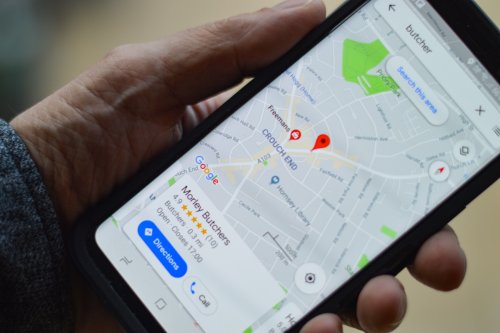 Die Geoinformatik ist ein Fach, das jetzt schon eine hohe Bedeutung hat, die in Zukunft aber auch noch anwachsen wird. Immer häufiger gründen sich Institute an den Universitäten, an denen entsprechend geforscht und studiert wird. Unter anderem auch in Münster, wo regelmäßig auch die Geoinformatik Tage stattfinden.
Jedes Jahr finden neue Konferenzen zur Geoinformatik statt, über die es hier in diesem Artikel auch die entsprechende Übersicht gibt. Mit jedem Jahr steigen auch die Erkenntnisse, die es zu dem Fach gibt, das sich mit raumbezogenen Informationen beschäftigt. Wer zum Beispiel ein globales Positionsbestimmungssystem (GPS) in seinem Smartphone benutzt, weiß also, worum es bei der Geoinformatik unter anderem geht.
Geoinformatik Konferenzen – der Überblick der letzten Jahre
Seit 2003 finden die Münsteraner Geoinformatik Days statt. Verantwortlich dafür ist das Institut für Geoinformatik, das zur Westfälischen Wilhelms-Universität in Münster gehört. Die Konferenzen stehen jeweils unter einem anderen Themenschwerpunkt, generell wird die Geoinformatik aber ebenso in der Breite behandelt.
GI Tage 2003
 Die 2003 erstmals veranstalteten GI-Days fanden unter dem Motto “Geodaten- und Geodienste-Infrastrukturen“ statt. Vom 26. bis zum 27. Juni 2003 trafen sich hauptsächlich Mitglieder des Instituts, aber auch andere Teilnehmer, um Vorträge zu hören und konkret in Workshops zusammenzuarbeiten.
GI Tage 2004
 Auch 2004 fanden direkt die nächsten GI-Tage in Münster statt. Vom 1. bis zum 2. Juli 2004 wurden sie veranstaltet und erneut gab es über die zwei Tage ein volles Programm, das sowohl Vorträge als auch Workshops zu bieten hatte. Die GI-Days 2004 standen unter dem Themenschwerpunkt “Geoinformation und Mobilität”.
GI Tage 2007
 Die nächsten GI-Tage fanden 2007 statt. Erneut in Münster, dieses Mal vom 10. bis zum 12. September 2007, also über drei Tage. Diese Tage wurden auch gut gebraucht, gab es doch ein volles Programm. Das begann bereits einen Tag zuvor mit einem Eisbrecher-Event, bei dem es zusammen in das Schlossgarten Restaurant ging. Die Konferenz lief bis Mittwoch-Mittag.
GI Tage 2008
 Vom 16. bis zum 18. Juni 2008 liefen die GI-Days 2008 ebenfalls über drei Tage. Erneut wurde die Konferenz vom Institut für Geoinformatik veranstaltet. Dort an der Universität kamen dann auch Institutsmitglieder und andere Teilnehmer zusammen, um über verschiedene Themen zu sprechen. Im Fokus stand das Thema “Interoperability and spatial processing in GI applications”.
GI Tage 2011
 Ab 2011 haben sich die GI-Days gewandelt. Sie fanden als Geoinformatik Konferenz 2011 statt mit dem Blick auf das Thema Geochange. Gemeint ist damit, dass eine Begegnungsplattform geschaffen wird, auf der Verwaltungen, die Wirtschaft und die Wissenschaft zusammenkommen können. In dem Programm der vom 15. bis zum 17. Juni 2011 in Münster stattgefundenen Konferenz gab es Themen zur Mobilität im Wandel, GI im Energiesektor und auch Klimawandel und GIS.
Geoinformatik – Was ist das eigentlich?
 Bei der Geoinformatik kommen im Grunde zwei Fächer zusammen. Es geht um Informationen, die Orte und Räume betreffen, ebenso aber auch Gelände. Diese werden mit der Hilfe der Informatik erfasst, ausgewertet und auch in Anwendungen zur Verfügung gestellt. So lassen sich Dienste schaffen, auf die dann zurückgegriffen werden kann. Gerade was den Verkehr angeht, ist die Geoinformatik ein wichtiges Fach geworden, um eine bessere Orientierung zu bieten. Das Smartphone ist dabei ein alltägliches Beispiel. Die GPS-Daten können genutzt werden, weil die Geoinformatik entsprechende Dienste erstellen kann.
Was kann man mit der Geoinformatik machen?
An sich ist die Geoinformatik ein noch recht junges Fach, in dem unterschiedliche Disziplinen zusammenkommen. Dazu gehören die Geografie und Informatik, ebenso aber auch die Geodäsie – also die Wissenschaft zur Vermessung der Erdoberfläche. Im Studium werden also auch diese drei Fächer sehr konkret behandelt. Langfristig geht es vor allem auch um die Entwicklung von Diensten und Software, in der die Erkenntnisse hilfreich umgesetzt werden.
Die Navigation spielt dabei eine große Rolle. Das weiß jeder, der in seinem Auto ein Navigationsgerät benutzt. Es ist keinesfalls immer so selbstverständlich, dass die entsprechenden Geräte auch immer so exakt arbeiten oder die besten Daten anzeigen. Noch wichtiger wird die Geoinformatik, wenn in Zukunft autonomes Fahren weiter ausgebaut werden soll – also, dass Autos selbst fahren können. Navigationsdaten sind dann eine enorm wichtige Grundlage, ohne die das autonome Fahren nicht gedacht werden kann.
Fazit zu den Geoinformatik Tagen
Mit jedem Jahr wächst die Bedeutung der Geoinformatik an. Das hat mit der sich stetig verbessernden Technologie zu tun. Diese sorgt für eine größere Vernetzung der Welt und immer mehr Verkehr. Die Geoinformatik kann hier hilfreiche Dienste erstellen, die bei der Navigation auf allen Ebenen helfen. Gleichzeitig kann sie dabei auch die Umwelt und Gesellschaft in den Blick nehmen. In Münster gibt es dazu das Institut für Geoinformatik an der Westfälischen Wilhelms-Universität. Regelmäßig werden dazu die sogenannten GI-Days veranstaltet, bei der Experten zusammenkommen, um Vorträge zu hören und konkrete Ideen in Workshops umzusetzen. Die Geoinformatik-Tage stehen dabei jeweils unter einem anderen Motto.